


1800 - 1900
1800 - 1900
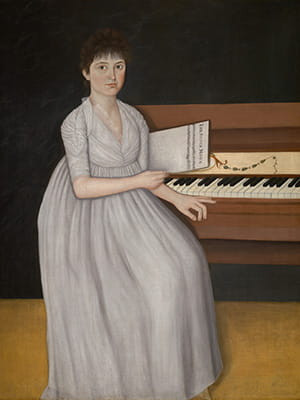
1766 - 1854: John Brewster Jr. (USA)
A extremely popular portraitist in colonial America, John Brewster, Jr. had an important and influential career spanning four decades. (..)
According to the website of the Fenimore Art Museum in Cooperstown, New York, "Brewster was not an artist who incidentally was Deaf but rather a Deaf artist, one in a long tradition that owes many of its features and achievements to the fact that Deaf people are, as scholars have noted, visual people."
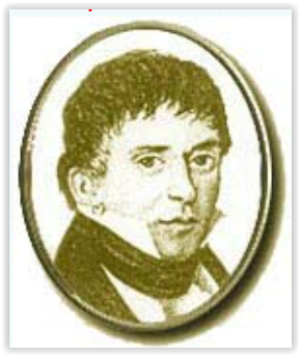
1767 - 1828: Jean-Baptiste Pouplin (BE)
Jean-Baptiste Pouplin was a Belgian teacher of French origin. He was the founder of one of the first schools for deaf students on the European continent, in Liège in 1819.
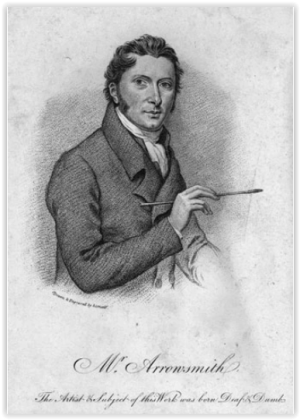
1771 - 1839: Thomas Arrowsmith (UK)
Thomas Arrowsmith (1771-c1830) was born deaf. He was a well-known portrait and miniature painter, studying and exhibiting at the Royal Academy.
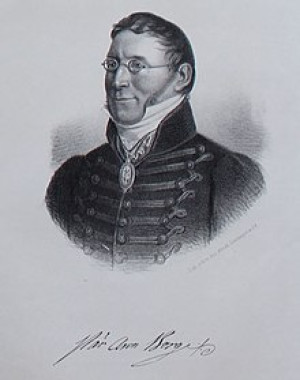
1776 - 1839: Pär Aron Borg (SE)
In 1809, Pär Aron Borg founded Allmänna institutet för döfstumma och blinda å Manilla (Public Institute of the Blind and Deaf at Manilla; Manillaskolan). The school had deaf teachers, and the instruction was taught in sign language.
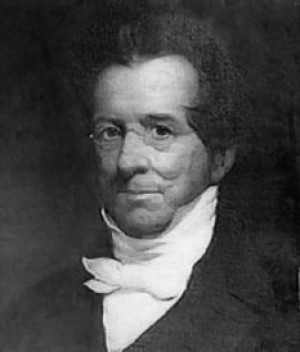
1787 - 1851: Thomas Hopkins Gallaudet (USA)
Thomas Hopkins Gallaudet travelled to Europe in 1815 to study methods of education for the deaf.
After several months in Paris, Gallaudet returned to the United States with Laurent Clerc, a deaf teacher. They founded the American school for the deaf in 1817.
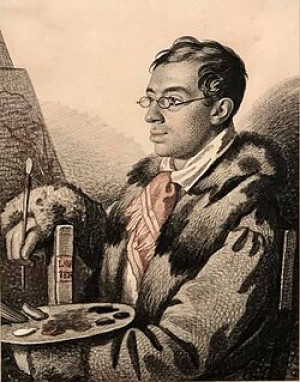
1794 – 1880: Karl von Hampeln (AT)
Karl von Hampeln, also known as Carl or Charles (Russian: Карл Карлович Гампельн, Karl Karlovich Gampeln) was an Austrian watercolor and miniature painter, graphic artist, portraitist, engraver, and lithographer active in Russia and Vienna.
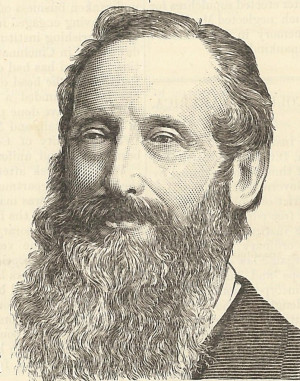
1798-1879: Matthew Robert Burns, first Deaf headmaster (UK)
Matthew Robert Burns (1798-1879) was the first deaf man to become a head teacher of a school for the deaf.
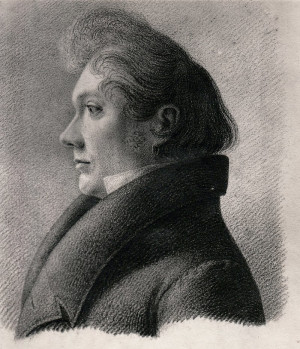
1799 - 1871: Mathias Stoltenberg (NO)
Mathias Stoltenberg (21 July 1799 – 2 November 1871) was a Norwegian painter. He earned his living mostly as a travelling portrait painter and furniture restorer. His paintings were later rediscovered and presented at the 1914 Jubilee Exhibition in Kristiania.
He lost his sense of hearing as a child, and died in poverty in Vang in 1871.
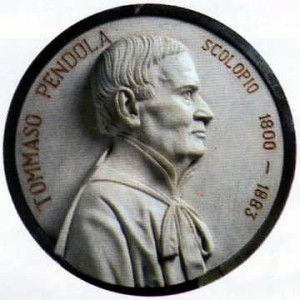
1800 - 1883: Tommaso Pendola (IT)
Tommaso Pendola (Genoa, June 22, 1800 - Siena, February 12, 1883) was an Italian priest and educator, known above all for his work as an educator of the deaf.
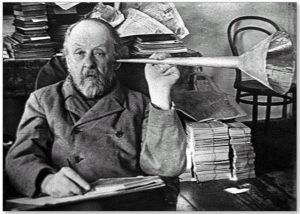
1800: Eartrumpets
The first firm to begin commercial production of the ear trumpet was established by Frederick C. Rein in London in 1800.
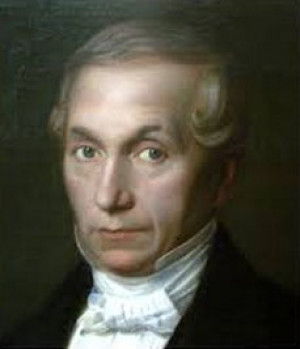
1803 - 1886:Ferdinand Berthier (FR)
Ferdinand Berthier (September 30, 1803 - July 12, 1886) was a deaf educator, intellectual and political organiser in nineteenth-century France, and is one of the earliest champions of deaf identity and culture.
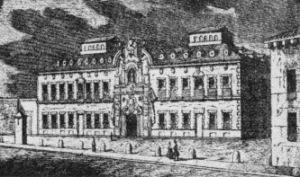
1805: First School for the Deaf in Spain, Madrid (ES)
The year 1805 marked the opening in Madrid of the Royal School for Deafmutes.
Roberto Francisco Prádez was Spain's first deaf teacher of the deaf and a key figure in deaf education during the early 19th century, It was to his efforts that the Royal School for Deafmutes owed much of its success, and at times during its precarioius first three decades, its very existence.